Common Causes of Damage in Brick and Stone Flatwork
To repair damage caused by common issues like settling, freeze-thaw cycles, or moisture intrusion, local contractors can assess and restore brick and stone flatwork effectively.
Understanding the common causes of damage in brick and stone flatwork is essential for property owners looking to maintain the integrity and appearance of their outdoor surfaces. Whether it’s due to shifting ground, poor drainage, or exposure to harsh weather, these issues can lead to cracks, uneven surfaces, and other costly problems over time. Recognizing these factors early can help homeowners and business owners better care for their flatwork, and when damage occurs, local contractors specializing in brick and stone repair are equipped to address these challenges effectively.
Exploring the reasons behind damage in brick and stone flatwork can also highlight practical steps to prevent future issues. Proper installation, drainage solutions, and routine inspections are key components in preserving the longevity of these surfaces. For property owners in the area, connecting with experienced service providers can ensure that repairs are handled efficiently and that the flatwork remains durable and attractive. Keep reading to learn more about common causes of damage and how local experts can help restore and protect these valuable features.
- Brick and stone flatwork - homeowners may need damage repair when cracking or spalling occurs due to freeze-thaw cycles, with local contractors specializing in restoring the integrity of the surface.
- Brick and stone flatwork - areas with poor drainage can lead to water infiltration and deterioration, prompting local service providers to address these issues through targeted repairs.
- Brick and stone flatwork - heavy loads or repeated pressure can cause shifting or settling, requiring local pros to stabilize and reinforce the flatwork structure.
- Brick and stone flatwork - exposure to harsh weather conditions, such as snow or rain, can accelerate wear and damage, with local contractors offering repair solutions to extend the lifespan.
- Brick and stone flatwork - improper installation or low-quality materials may result in early damage, making it essential to consult local experts for proper repair and restoration services.
When homeowners search for information about common causes of damage in brick and stone flatwork, they are often trying to understand why their outdoor surfaces, such as patios, walkways, or driveways, are showing signs of deterioration. These flat surfaces are typically made from durable materials like brick or natural stone, but over time, they can develop issues that compromise their appearance and structural integrity. People usually want to identify the root causes of damage so they can plan repairs or replacements effectively, ensuring their property remains safe and visually appealing. Understanding these common issues helps homeowners make informed decisions about maintenance and when to seek professional help to address underlying problems.
The problems associated with damage in brick and stone flatwork often relate to factors like cracking, shifting, spalling, or uneven settling. Cracks may develop due to ground movement, temperature fluctuations, or improper installation. Shifting or uneven settling can cause the flatwork to become uneven or unstable, creating trip hazards or further damage. Spalling, or surface flaking, is usually caused by water infiltration and freeze-thaw cycles that weaken the material over time. These issues are frequently connected to the way the flatwork was initially installed, the quality of materials used, or ongoing exposure to environmental conditions. Recognizing these problems early allows homeowners to address them before they worsen, often with the help of experienced service providers who specialize in brick and stone flatwork repair.
Certain types of properties are more prone to damage in brick and stone flatwork due to their location, age, or usage patterns. Residential homes with outdoor patios, walkways, or driveways are common sites where damage occurs. Commercial properties, especially those with heavy foot or vehicle traffic, may also experience accelerated wear and tear. Properties situated in climates with significant temperature swings, frequent freeze-thaw cycles, or high moisture levels tend to see more issues related to water infiltration and material deterioration. Additionally, older properties with outdated installation methods or insufficient drainage systems are more susceptible to damage. For property owners, understanding the typical conditions that lead to flatwork damage highlights the importance of regular inspections and timely repairs by local contractors who specialize in brick and stone flatwork restoration.
Addressing common causes of damage in brick and stone flatwork involves working with local service providers who understand the specific challenges of these materials. These professionals can assess the property to identify underlying issues such as poor drainage, improper installation, or material flaws that contribute to damage. They offer solutions that may include crack repair, re-leveling, sealing, or complete replacement, depending on the severity of the problem. Homeowners benefit from connecting with experienced contractors who can provide tailored advice and quality workmanship to restore the flatwork’s stability and appearance. Recognizing the common causes of damage helps property owners prioritize repairs and work with skilled local pros to protect their investment and ensure their outdoor surfaces remain functional and attractive for years to come.
Paving restoration projects involve similar skills and tools used in repairing brick and stone flatwork, focusing on addressing surface damage caused by weather or heavy use.
Concrete repair services require expertise in fixing cracks and deterioration, which aligns with resolving common causes of damage in brick and stone flatwork.
Patio and walkway resurfacing projects often involve planning and materials comparable to those used in flatwork repair, especially when dealing with surface wear and structural issues.
Masonry restoration tasks share techniques for fixing mortar joints and surface damage, making them relevant to addressing common causes of damage in brick and stone flatwork.
Stone veneer installation involves similar planning and skill sets, especially when repairing or replacing damaged veneer caused by moisture or impact.
Driveway sealing and maintenance projects require understanding of surface vulnerabilities, which are also key considerations in preventing damage in brick and stone flatwork.
When evaluating service providers for brick and stone flatwork damage repair, it is important to consider their experience with similar projects. An experienced contractor will have a better understanding of the common causes of damage in brick and stone flatwork, such as settling, moisture infiltration, or improper installation, and will be familiar with effective repair techniques. This background can help ensure that the repairs address the root causes of damage and that the work will stand up over time, reducing the likelihood of recurring issues.
Clear written expectations are essential when comparing local contractors. A reputable service provider will provide detailed descriptions of the scope of work, including the methods they plan to use to repair damage caused by common issues like cracking or spalling. Having this information in writing helps homeowners understand what to expect, ensures transparency, and allows for better comparison between different contractors’ approaches and proposed solutions.
Reputable references and good communication are key factors in selecting a reliable service provider. Local pros who can provide references from previous clients with similar projects demonstrate a track record of quality work and customer satisfaction. Additionally, contractors who communicate clearly and promptly-answering questions thoroughly and explaining repair options-are more likely to deliver a smooth experience. This level of professionalism helps homeowners feel confident that the repair process will be well-managed and that their concerns will be addressed throughout the project.
Property owners often search for common causes of damage in brick and stone flatwork when they are planning practical projects around their homes and businesses. Local pros provide Brick and Stone Flatwork Damage Repair services for everyday jobs and straightforward project options.
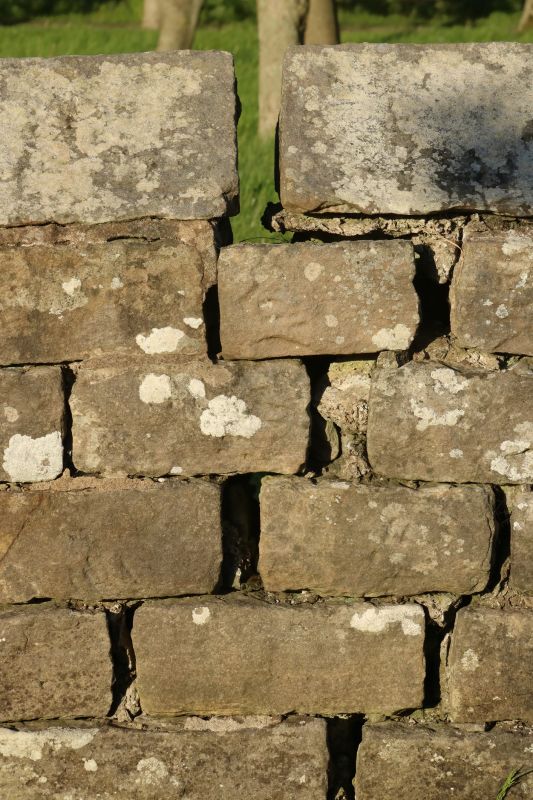
Understanding the common causes of damage in brick and stone flatwork can help property owners recognize issues early and seek appropriate repair services. Everyday factors such as freeze-thaw cycles, heavy foot or vehicle traffic, and exposure to moisture can lead to cracks, uneven surfaces, or spalling over time. For instance, water infiltration during rainy seasons can weaken the mortar joints or cause stones to shift, especially if proper drainage isn’t maintained. Property owners noticing these signs may consider reaching out to local contractors who specialize in flatwork repair to assess and address the damage before it worsens.
Additionally, improper installation or lack of maintenance can contribute significantly to the deterioration of brick and stone flatwork. When surfaces are not sealed or are subjected to inconsistent repairs, small issues can escalate into more serious problems. Regular exposure to harsh weather conditions, combined with neglect, often results in surface chipping or crumbling. Local service providers experienced in flatwork repair can evaluate the damage caused by these common issues and recommend solutions to restore the integrity and appearance of the brick or stone surfaces.
What are common causes of damage in brick and stone flatwork? Common causes include exposure to moisture, freeze-thaw cycles, improper installation, and physical impacts that weaken the structure over time.
How does moisture contribute to damage in brick and stone flatwork? Water infiltration can lead to erosion, cracking, and deterioration of the mortar and stone or brick materials, especially if drainage is poor or sealing is inadequate.
In what ways do freeze-thaw cycles damage brick and stone flatwork? Repeated freezing and thawing cause expansion and contraction within the material, leading to cracks, spalling, and eventual structural failure if not properly maintained or repaired.
Can improper installation cause damage in brick and stone flatwork? Yes, incorrect foundation preparation, poor jointing, or using unsuitable materials can lead to uneven settling, cracking, and other forms of damage over time.
What physical impacts are common causes of damage in brick and stone flatwork? Heavy loads, impacts from falling objects, or heavy equipment can cause chipping, cracking, or displacement of bricks and stones, necessitating repair by experienced service providers.
Water infiltration - Proper sealing and drainage solutions can help prevent water from seeping into brick and stone flatwork, reducing the risk of cracking and deterioration.
Heavy loads and impact - Avoid placing excessive weight on flatwork surfaces and consult local contractors for reinforcement options to protect against damage.
Soil movement and settling - Ensuring proper site preparation and soil stabilization can minimize shifting that causes cracks and uneven surfaces.
Poor installation practices - Working with experienced service providers ensures that brick and stone flatwork is installed correctly, reducing early damage caused by improper techniques.
If you are thinking about common causes of damage in brick and stone flatwork for a property, this guide is meant to help you understand this topic, the typical project types, and how different options might fit your plans.
When you are ready, you can use the quote form on this page to share a few details about your project. From there, local pros can review the basics and follow up with options that match what you have in mind.